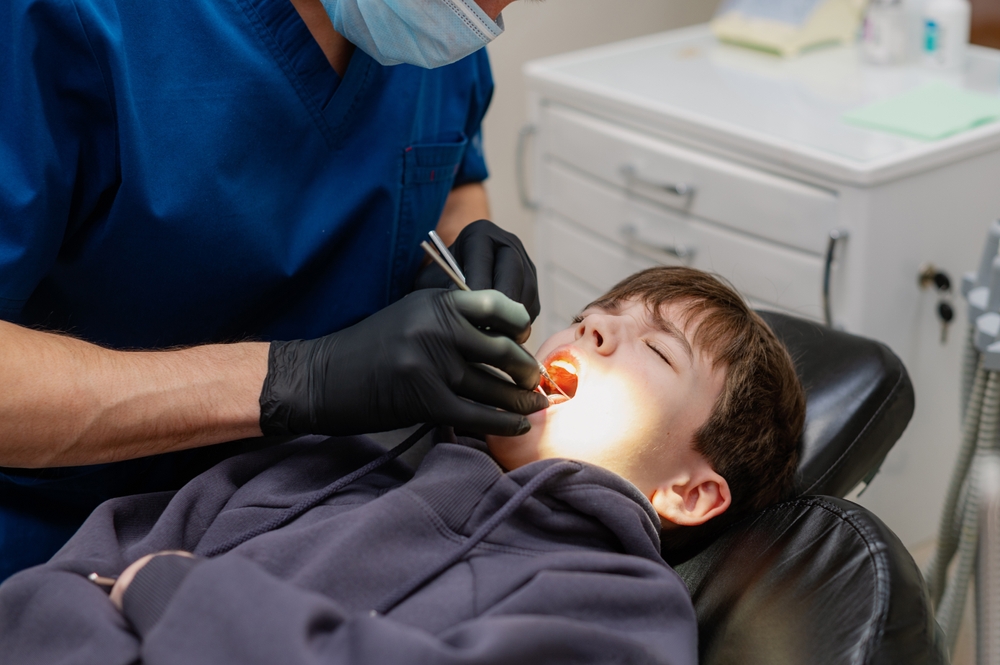
Why can dental visits feel stressful for children? Dental visits can feel stressful for many kids, especially when treatment involves drills, injections, or longer procedures. A kids dentist in Kitchener often uses gentle behaviour support techniques, along with sedation options, to help children stay calm, safe, and comfortable during treatment.
Oral sedation is one of the most common methods used in children’s dentistry. Parents often worry about how long it lasts, how their child will feel afterwards, and when normal activity can resume. Understanding these details helps reduce stress for both children and parents before the appointment.
What is Oral Sedation in Children?
Oral sedation is a type of medicine given by mouth before dental treatment. It is designed to help children feel relaxed and less anxious while remaining conscious.
Sedation dentistry for kids near you is usually recommended when a child:
- Has strong dental anxiety or fear
- Needs multiple treatments in one visit
- Has trouble sitting still for longer procedures
- Has had a difficult dental experience before
This type of sedation does not make a child completely unconscious. Instead, it creates a calm, sleepy feeling that helps the dentist work safely and efficiently while the child remains relaxed.
How Oral Sedation Works in the Body
Once the medicine is taken, it slowly enters the bloodstream and affects the brain’s response to fear and awareness. The child may feel drowsy, calm, or slightly sleepy.
A kids dentist near you will always monitor the child’s breathing, heart rate, and comfort level throughout the entire appointment to ensure safety.
During the procedure, common effects include:
- Reduced fear and nervousness
- Relaxed body movements
- Less awareness of dental tools or sounds
- Possible partial memory loss of the procedure
This helps make the dental experience smoother and less stressful.
How Long Do Oral Sedation Effects Last in Kids?
The duration is one of the most important concerns for parents. In general, how long sedation effects last in kids depends on several factors, including:
- The type and dose of medication used
- The child’s weight and age
- The length of the dental procedure
- How the child’s body processes medicine
Most children begin to feel drowsy within 20 to 30 minutes after taking the medication. The strongest calming effects usually last throughout the dental procedure.
After treatment, the sleepiness may continue for a few hours. In most cases, children start returning to normal energy levels within 4 to 8 hours. However, some mild tiredness may last until the end of the day, which is why rest at home is strongly recommended.
What Parents Can Expect After the Appointment
After oral sedation, children do not immediately return to full alertness. Their bodies need time to fully clear the medicine.
Common after-effects include:
- Feeling sleepy or tired
- Slower thinking or movement
- Mild dizziness or unsteadiness
- Desire to rest or sleep
Because of this, parents are advised to:
- Keep the child at home for the rest of the day.
- Avoid school, sports, or active play.
- Offer soft foods and water first.
- Supervise closely until fully awake.
By the next day, most children return completely to normal activities.
Safety Measures During Sedation Dentistry
Safety is always the top priority in pediatric dental care. A kids’ dentist in Kitchener follows strict guidelines to ensure sedation is safe and controlled.
Monitoring includes:
- Heart rate tracking
- Breathing observation
- Oxygen level checks
- Behaviour and responsiveness monitoring
This continuous supervision ensures that the child remains safe and stable throughout the procedure.
When Does Sedation Fully Leave the Body?
Although the strongest effects wear off within hours, the full effects of the medicine take a bit longer to leave the body.
Most children:
- Feel sleepy for a few hours after treatment.
- Return to normal behaviour by evening or the next morning.
- Have little or no memory of the dental procedure
Recovery speed can vary slightly depending on each child’s body and the type of sedation used.
Why Oral Sedation Is Used in Children’s Dentistry
Oral sedation is not used for every child, but it is very helpful in certain situations where comfort and cooperation are important.
It helps:
- Reduce fear and anxiety.
- Allow smooth completion of treatment.
- Improve dental experience for nervous children.
- Support longer or complex procedures.
It also helps build positive dental memories, making future visits easier.
Help Your Child Smile with Confidence!
Oral sedation is a helpful option in pediatric dentistry that makes dental care easier, calmer, and more comfortable for children who feel anxious or need longer treatment. Understanding how it works and how long it lasts helps parents feel more confident and prepared.
KW Kids Dentistry provides gentle, child-friendly care to make dental visits positive and comfortable in a safe environment. Book an appointment today to help support your child’s healthy smile with comfort and care.
FAQs
How long does oral sedation last in children?
Most children feel the calming and sleepy effects for a few hours, which usually wear off the same day, depending on the dosage and body response.
Is oral sedation safe for children?
Yes, when administered by trained professionals, it is considered safe and carefully monitored throughout the procedure.
Can my child eat after sedation?
Yes, but only after they are fully awake. Light, soft foods and fluids are recommended first.
Will my child remember the dental treatment?
Most children have little to no memory of the procedure, which helps reduce future dental anxiety.


